


How To Tell If a Diamond Is Real or Fake – A Complete Guide

What is the Difference between Diamond and Zircon?
February 18, 2026If you’re trying to decide whether or not to buy a diamond at a price that seems too good to be true, it just might be. Then again, you may have stumbled on to the deal of a lifetime. Read on to find out diamond dealers’ secrets.
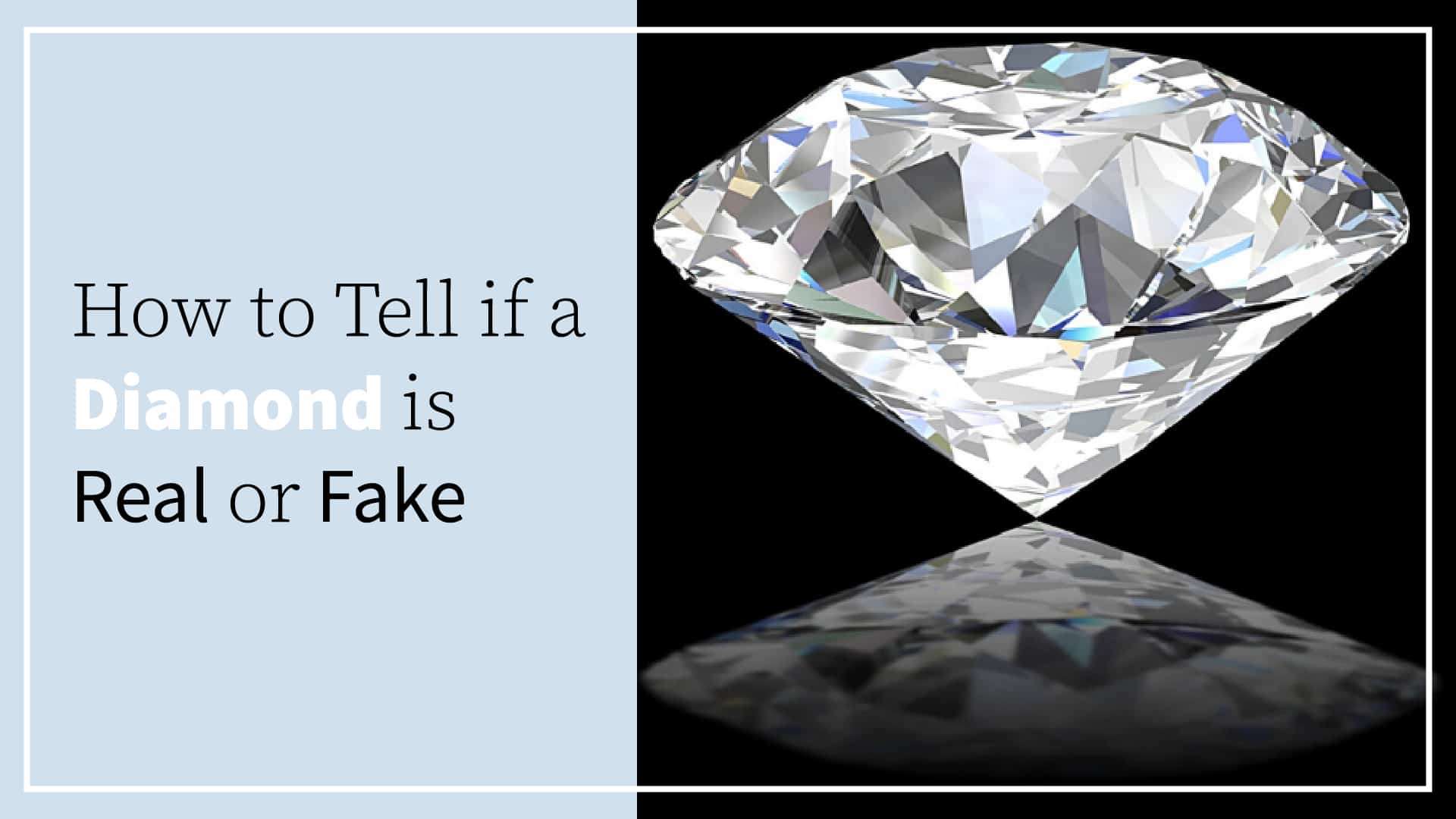
How Local Diamond Buyers Test Diamonds?
Diamond dealers depend on making their living from buying and selling diamonds. Diamonds can be deceiving. Many have all the shine and sparkle of a real diamond but aren’t genuine.
The most common fake diamond is a cubic zirconia, or CZ. Moissanites are popular fake diamonds as well. They are both made to look like diamonds but are simulants that are almost impossible for the naked eye to distinguish from a real diamond. Other imposters include rutile, spinel, colorless garnet, white topaz, and white sapphire. All are beautiful but they are not diamonds.
Five Tests Diamond Dealers Do
There are five main tests local antique buyers conduct in order to find out if a diamond is real…or not. If your diamond passes all five tests, you can be certain it is genuine. If it passes at least one test, it’s worth taking it to a local antique buyer or checking it out with a diamond buyer online to find out for sure. The first three tests are best if you have a loose diamond. The best rule of thumb is if you are still in doubt after conducting these tests, take it to a local diamond buyer in your area so they can use advanced methods to determine the validity of the diamond.
Scratching the Surface. This test is perhaps the most widely used among local antique buyers and local diamond buyers because they often deal with loose diamonds. Simply take the stone in your hand and try to scratch a piece of glass with it. Be careful not to chip your piece, however, because it might be a real diamond. A real diamond should be hard enough to scratch glass. Beware that some fake diamonds can pass this test too though.
Newspaper Test. This type of test works best if your stone is large. Place your stone over a piece of finely printed newspaper. Can you read the writing underneath? If so, you may have a fake diamond because you should not be able to make out the writing underneath a genuine diamond because it will refract the light in a way that makes it difficult or impossible to read the print.
Water Weight. Use this test only on a loose diamond. Drop a stone into a glass of water. If the stone sinks to the bottom, you may have a diamond on your hands because most fake diamonds float in water.
Breath Test. A real diamond will take your breath away and will pass this test, a favorite among local antique buyers and diamond dealers. Take the stone and place it by your mouth. Breath onto the flat surface of it. A real diamond will dispense heat immediately, making the stone transparent. A fake diamond will be foggy. This test will eliminate CZs from the mix but since moissanite reacts the same way as a diamond, you won’t be able to distinguish the two of them.
In the Loupe. A jewelry loupe test is designed to pick out imposter diamonds as well as lower grade ones. The loupe test allows you to inspect your stone to find imperfections and flaws. If you find no flaws, your diamond may not be a diamond at all since most diamonds have flaws.
Diamond dealers go by the tests above as well as professional tests as well. Diamond buyers online conduct initial tests that go by the appearance since they don’t have the diamond in their possession at first. Local antique buyers and local diamond buyers are more able to tell diamonds from fake diamonds in the first encounter if it’s a physical meeting, so conducting the tests above and then going to a nearby diamond buyer may be your best choice if you’re unsure if your diamond is real or not.