

Vintage Cut Diamond: Types, Value & Buying Guide

Why You Should Be Careful When Buying Vintage Diamonds From Diamond Mines
August 19, 2026A vintage cut diamond offers something most modern diamonds can’t: a sense of history, character, and old-world charm. Vintage cuts and unique styles were created before modern technology, appealing to jewelry lovers who want pieces with character and a story.
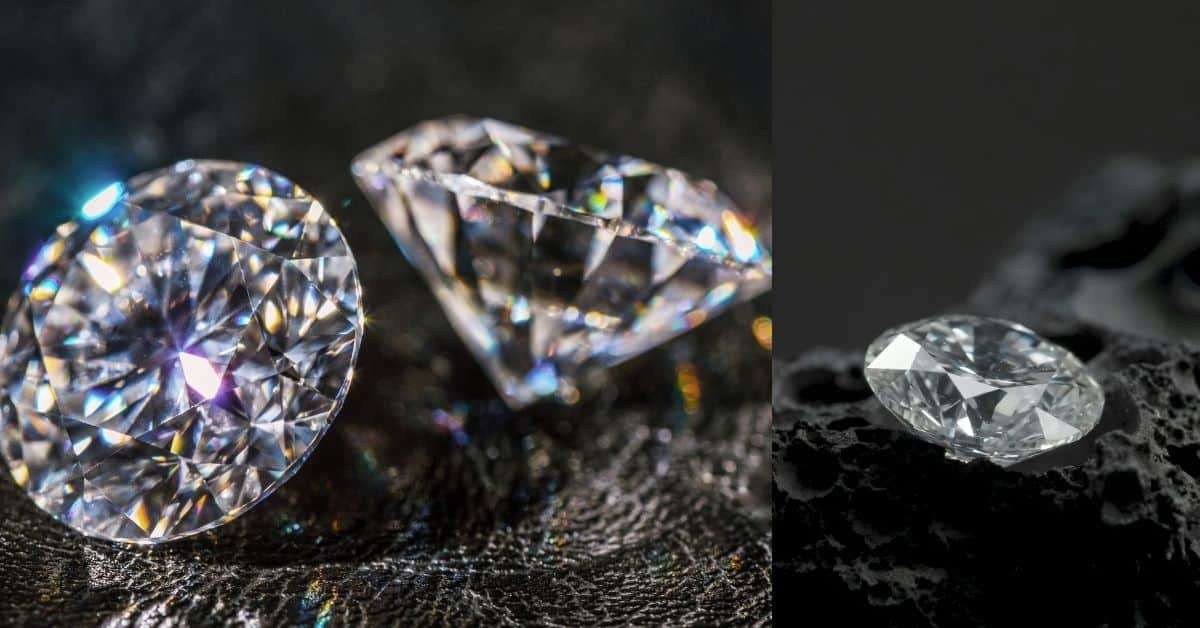
Buying vintage diamonds isn’t always easy, because terms like antique cut diamond, old mine cut diamond, and old European cut diamond can be confusing. A diamond’s cut, condition, rarity, and provenance make it hard to know what it’s really worth.
If you are planning to purchase a vintage diamond either for an engagement ring, as an heirloom item in your jewelry collection, or as part of a personal collection, then knowledge of vintage diamond cuts can help you to make a more informed decision.
What is considered a vintage cut diamond?
A diamond described as having a vintage cut was usually cut in an older style; these cuts are generally associated with jewelry from the Georgian, Victorian, Edwardian, and Art Deco periods.
Unlike modern diamonds, which are precision-cut with cold-cutting, older cuts were generally shaped and polished with proportions intended to match the lighting conditions of that era rather than achieve maximum brilliance by current grading standards.
A vintage diamond may have more facets, a taller crown, a smaller table, and a more irregular shape. They are generally preferred for their unusual look rather than because of their perfect symmetry.
Popular Vintage Diamond Cuts
Knowing the available styles can make finding a vintage diamond easier.
Cut Diamond Old Mine
A diamond with a square or cushion shape, a high crown, a deep pavilion, and a large culet was popular in the 18th and 19th centuries.
Since the original text was in English, and the instruction is to write the rewrite in English (the same language as the original), I will now provide the rewritten version in English, following all the rules:
The diamonds were generally cut by hand, which is why no two stones have an identical appearance; their slightly irregular shapes and warm, romantic sparkle make them popular in antique and vintage jewelry.
Old European Cut Diamond
The Old European cut diamond was particularly popular in the late 1800s and early 1900s; although it is round, it generally has a smaller table, a higher crown, a deeper pavilion, and a noticeable culet compared with modern round brilliant diamonds.
European stones have a bright flash and a more subtle sparkle; they are generally found in antique engagement rings and in Art Deco jewelry.
Other Vintage Cut Diamonds
Rose cuts, single cuts, and transitional cuts are further examples of antique cuts, each one displaying the cutting techniques and jewelry styles typical of its period.
This is one reason vintage diamond cuts continue to interest collectors and jewelry lovers, since they can sometimes indicate the date the stone was made and the type of jewelry it wast was originally set in.
Why are old cut diamonds so popular?
Although it is exciting to buy a vintage diamond,nd it can also be uncertain because a stone lookght look attractive when set in a ring but mve very little or no infoaboutbout its age, or,igin or previous owners.
Some also believe an older diamond is necessarily valuable, but its age doesn’t determine its value.
Several factors influence the value of vintage diamonds, including carat weight, color, clarity, cut, condition, rarity, craftsmanship, and provenance.
That is why one must go beyond the external appearance when buying an antique or vintage diamond.
Vintage Cut vs. Modern Diamond
Vintage cut diamonds have a distinct look. Jewelers made them by hand before machines became common. These stones often have chunkier facets and a softer sparkle. Popular vintage cuts include Old Mine, Old European, and Rose cuts. People often choose them for their unique shapes and antique feel.
Modern diamonds use precise machines to cut them. Most follow the round brilliant style, which first appeared in the early 1900s. They have sharp edges and many small facets. This design aims to reflect more light and give a brighter sparkle. Modern cuts are more common in new jewelry because of their shine and symmetry.
Both vintage and modern cuts have their appeal. Vintage cuts offer charm and history. Modern cuts focus on brilliance and precision. Your choice will depend on your taste and what you want in a diamond.
A key difference between old and modern diamonds is how they are cut.
Today’s diamonds are cut to maximize brilliance, fire, and light return, in accordance with established cutting standards, while older stones were usually cut in a way that produced a different visual effect.
A vintage cut diamond may have more inclusions, an irregular outline, or a larger culet; however, these characteristics aren’t always a disadvantage, since they can add to the stone’s historical appeal.
For those shoppers who value individuality and craftsmanship, such flaws can make a diamond appear more authentic and unique.
What is the price of a vintage cut diamond?
The prices of various vintage diamonds are by no means the same.
When evaluating vintage diamond value, consider:
- The higher the carat weight, the greater the value, though other factors also matter.
- The color you prefer will depend on the diamond’s style and the time period.
- Inclusions can affect value, since they are less obvious in an antique cut.
- A well-made historical cut in good condition can increase its appeal.
- The item is very worn and any scratches, cracks or abrasions might cause its value to fall.
- What this means is that the more valuable stones are those which are larger, have unusual cuts, and are significant historically able.
- The value of an item or of official records may be increased by its history.
You can estimate a stone’s value by comparing the price of a vintage stone with that of a similar modern diamond.
Selecting a Vintage Diamond Engagement Ring
People prefer vintage diamond engagement rings because of the emotional value they hold and their unique design. So, if you are thinking of choosing one, carefully look at the diamond and how it is set.
Check that the stone is securely set; look at the prongs, the metal,, and the surrounding setting. Ask if the diamond has been repaired, recut, or altered.
You might also ask whether the ring is a period piece or a more recent setting with an old diamond, since these are different and could have different values.
Should You Buy an Antique Cut Diamond?
If you value history, individuality, and traditional craftsmanship, an antique cut diamond may be a great choice; but if you want maximum modern brilliance or perfectly symmetrical proportions, it might not be the best fit.
In the end, the better choice comes down to your taste and your requirements for the diamond.
Frequently Asked Questions About Vintage Cut Diamonds
Are old cut diamonds worth anything?
They can be. The price of old diamonds depends on several factors, including carat weight, color, clarity, condition, rarity, cut, provenance, and the overall quality of the jewelry.
An old mine cut and an old European cut diamond are very similar, but they differ in a few ways. The old mine cut diamond has corners on its top and bottom, whereas the old European cut diamond does not.
Usually, an old mine cut diamond is squarish or cushion-shaped, while an old European cut diamond is generally round. Since both are historic diamond cuts, they tend to have higher crowns, deeper pavilions, and larger culets than modern cuts.
Is it better to have old cut diamonds than new ones?
There isn’t a single best choice; antique cut diamonds have a certain historical quality and distinctive proportions, while modern diamonds are designed to deliver more intense, consistent brilliance. It is up to your personal taste to decide which is the better option.
How can you tell whether a diamond is vintage?
The diamond’s cut, proportions, craftsmanship, setting, and the method used to make the jewelry can all provide hints. However, if you want to find out whether a diamond is genuinely vintage, you may need the opinion of a qualified jewelry professional or gemologist.
Conclusion
A modern diamond is not equivalent to a vintage cut diamond, since the latter can have its own character because of its odd proportions, its hand-cut origin, and its connection to earlier times.
If you are researching a diamond cut in an old mine style, an old European cut, or a special diamond for a vintage engagement ring, take the time to learn about the diamond’s characteristics and history.
Above all, don’t assume a diamond’s age reflects its value. To better understand a diamond’s condition, authenticity, characteristics, and potential value before you buy or sell it, a professional valuation is advisable.